
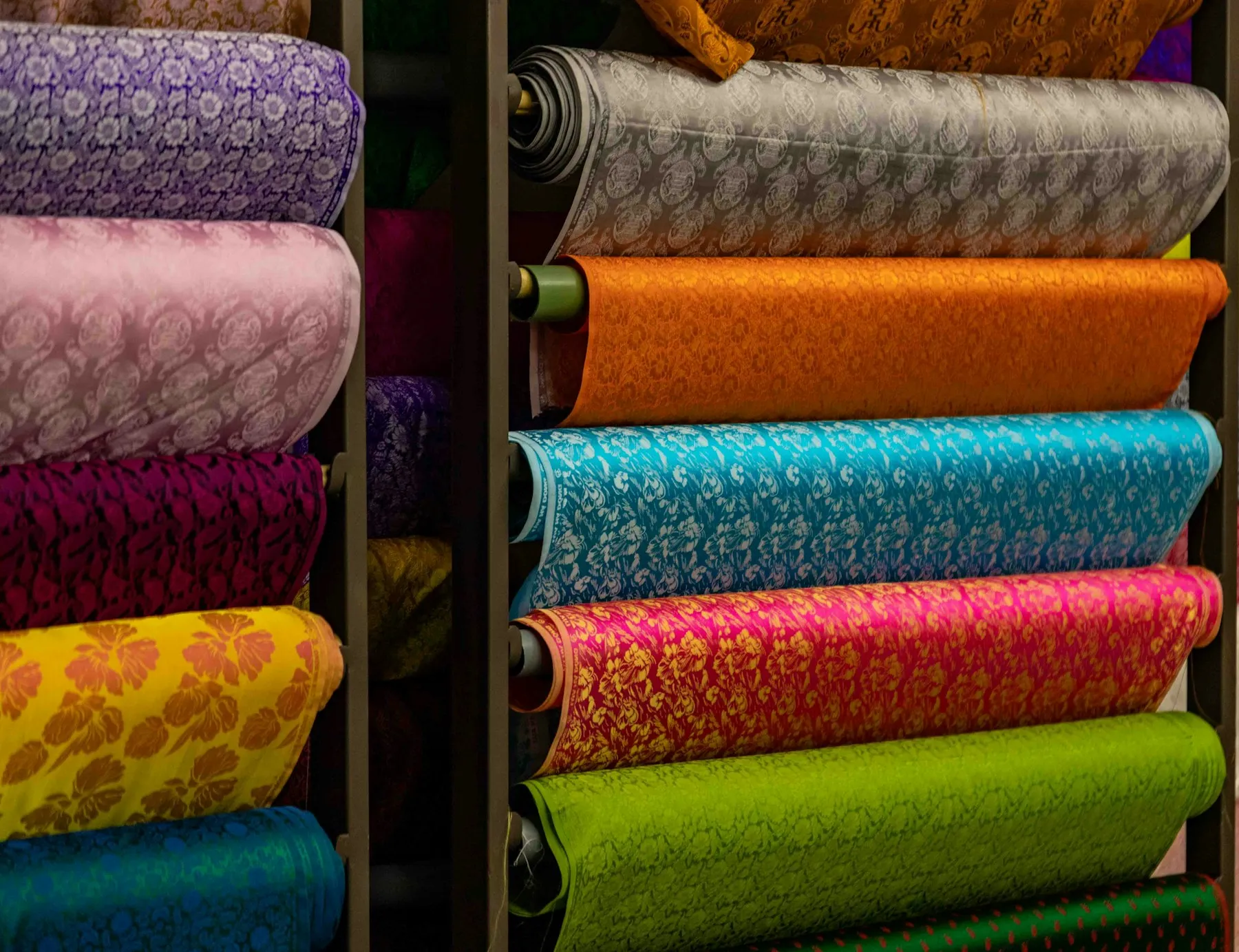
From yarn and grey fabric to finished goods and dispatch.
Textile is one of the two industries we know best. It runs on lots, shades, job work and thin margins, and generic software handles none of that well. Our own product, Kreon Textile ERP, was built inside this trade.
The details generic software gets wrong.
Lots, shades and qualities
Stock is not just a quantity. The system has to know the lot, the shade, the width and the grade.
Job work that leaves the building
Goods go out for dyeing, printing and finishing. You need to know what is where, with whom and for how long.
Agents, brokers and credit
Orders come through intermediaries, with brokerage and long credit cycles to track.
Many units, one picture
Mills, godowns, offices and showrooms need to report into one view for the owner.
Every part of the trade.
Yarn and dyeing
Yarn is identified by count, lot and shade, and two lots of the same shade cannot be mixed.
View ManufacturingWeaving and grey
A weaving unit runs from beam to loom to taka (fabric roll), with wages paid on picks and yarn consumed by reed and pick.
View ManufacturingFabric trading
In fabric trading every taka (fabric roll) has its own metres, sales go through brokers on long credit, and goods move by…
View ManufacturingGarments and apparel
One garment style means dozens of size and colour combinations, and most stitching and finishing happens at outside fabricators.
View ManufacturingTextile process houses
In a process house the cloth belongs to the customer, the mill bills only for processing, and metres change at every stage.
View ManufacturingKnitting and hosiery
Knitted fabric is made and stocked in kg by GSM and diameter, loses weight at every process, and ends up as pieces.
View ManufacturingEmbroidery and printing
Embroidery, printing and value addition units work on party goods and charge by stitch count, piece or metre, from a large…
View Trade and distributionSaree and ethnic wear wholesale
Sarees, dress materials and ethnic wear sell by design and catalogue set, designs go stale fast, and goods return is routine.
View ManufacturingHome textiles and made-ups
Home textiles and made-ups are cut from wide-width fabric and packed as sets, with labels and cartons that change from buyer to…
View ServicesTextile brokers and commission agents
A textile broker holds no stock but tracks deals, deliveries and payments between mills and buyers, and earns brokerage per bill.
ViewYarn and Dyeing ERP
This is yarn dyeing software built around the lot and the shade.
View Textile and apparelWeaving and Grey ERP
This weaving software follows a grey unit's own chain: yarn to beam, beam to loom, loom to taka (fabric roll), taka to challan.
View Textile and apparelFabric Trading ERP
Fabric trading software for cloth merchants and textile wholesalers who buy grey, get it processed on job and sell finished…
View Textile and apparelGarment and Apparel ERP
Garment manufacturing software that works in styles, sizes and colours from the first screen.
View Textile and apparelProcess House ERP
Process house software for mills that dye, print and finish cloth belonging to their customers.
View Textile and apparelKnitting and Hosiery ERP
Knitting software for units that make knitted fabric and hosiery garments.
View Textile and apparelEmbroidery and Value Addition ERP
Embroidery software for units that work almost wholly on party goods and charge by stitch or piece.
View Textile and apparelSaree and Dress Material Wholesale ERP
Saree wholesale software for traders who sell by design and catalogue, not by item code.
View Textile and apparelTextile Broker and Agent App
Textile broker software for yarn and cloth brokers and commission agents.
View Textile and apparelHome Textile and Made-ups ERP
Home textile ERP for makers of bedsheets, towels, furnishings and other made-ups.
ViewQuestions, answered.
Does Kreon build software for the textile and apparel trade?
Yes. Textile is one of the two industries we know best. It runs on lots, shades, job work and thin margins, and generic software handles none of that well. Our own product, Kreon Textile ERP, was built inside this trade.
Which textile and apparel businesses does Kreon serve?
Yarn and dyeing, Weaving and grey, Fabric trading, Garments and apparel, Textile process houses, Knitting and hosiery, Embroidery and printing, Saree and ethnic wear wholesale, Home textiles and made-ups, Textile brokers and commission agents.
Is it a ready product or built to order?
Both. Kreon Textile ERP is our ready software for the trade, with 10 versions, and we also build custom systems where a business works differently.
In textile and apparel? Let us talk.
We will tell you, honestly, whether software can fix it. If it cannot, we will say so.